

Agenda | Speakers | Bootcamp | Venue | Sponsors | Register
Thank you for joining us at the 2025 RFSI Forum!
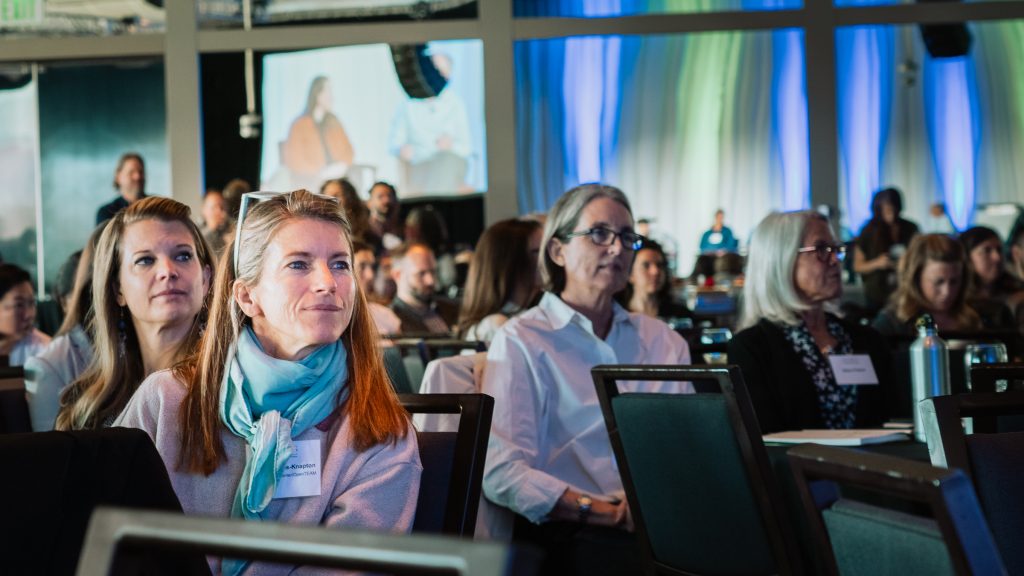
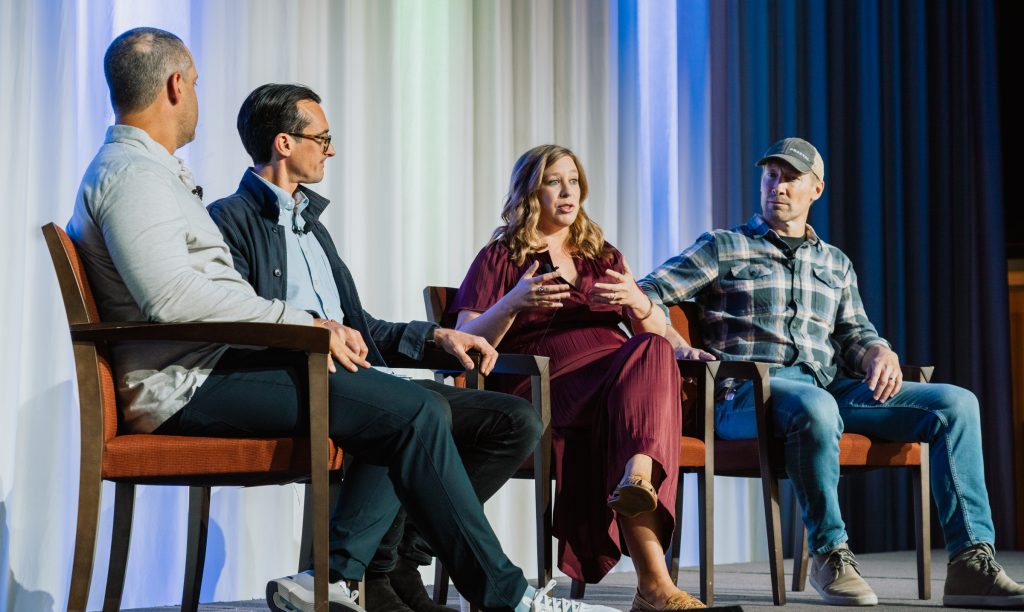
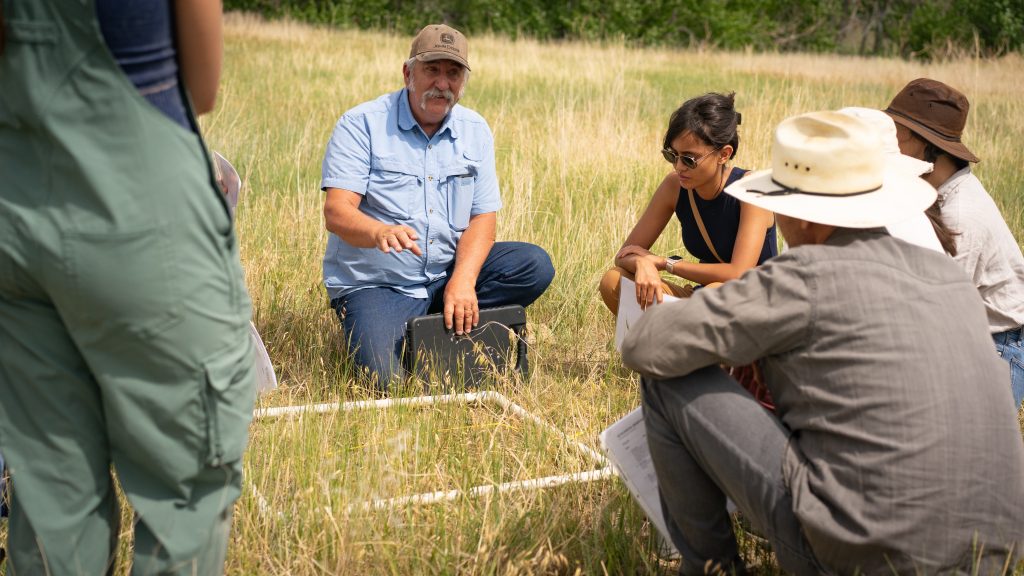
Investments in the agricultural transition present one of the biggest opportunities of our time – with the potential to drive resilient financial, environmental and social outcomes at scale.
The global food and agriculture system is a leading driver of climate change, biodiversity loss, soil degradation, and human health crises. These deeply interconnected challenges stem from outdated, extractive models—and they present both urgent risks and unprecedented opportunities.
With aligned capital, we can flip the script.
Strategic investments across the agri-food value chain—from enabling technologies and regenerative land practices to supply chain infrastructure and emerging food brands—can help transform agriculture from a major problem into a powerful climate, environmental, health, and economic solution.
These investments not only build healthier and more resilient systems—they also deliver meaningful financial and impact returns.
At the 7th Annual RFSI Forum, we’re bringing together bold thinkers and capital allocators to explore how diverse forms of investment can drive this agricultural transition. You’ll leave equipped with cutting-edge insights, strategic pathways, and a powerful network to grow your work—and help build a more resilient future.
Join us in October and leverage the biggest community in regenerative agriculture and food investing to reach your goals!
About
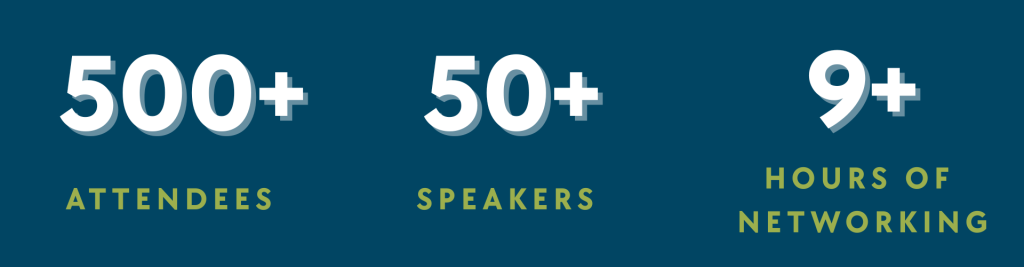
Taking place October 7-8 in Minneapolis, Minnesota, the 2025 RFSI Forum is THE gathering for learning the why, how, and where to invest capital in agriculture and food for financial and regenerative impact returns.
Whether you have been engaged in the regenerative space for decades, are ready to dig in to this burgeoning opportunity, or are just a little curious, this event offers unparalleled insights and networking opportunities. Here is a day-by-day agenda of all of the activities taking place this year:
<ATTEND ANCHOR>
Who Should Attend?
- Family offices, Foundations, Retail Investors
- Public or Corporate Pension Funds, Endowments, Sovereign Wealth Funds
- Fund Managers
- Banks and Other Debt Providers
- Registered Investment Advisors (RIAs) and other investment services
- Insurance and Resilience Leaders
- Farmers, Ranchers, Start-ups, Food Companies, and Service providers
- Consultants, Project Coordinators, Researchers
Farmer Scholarships
Farmers and ranchers are an essential part of the regenerative food system and to the ecosystem of capital and solution-builders at the RFSI Forum. To better enable farmers to join the conversation we are offering a limited number of Farmer Scholarships to cover registration fees to the RFSI Forum on Oct. 7-8, plus registration fees for RFSI Bootcamp – designed specifically for farmers – on the afternoon of Oct. 6. The winners of the Farmer Scholarships were announced on August 18, 2025.
Donate to a Farmer Scholarship here.
We would like to say a very special thank you to The Nest who contributed to the farmer scholarships!
<SPEAKERS ANCHOR>
Speakers


































<AGENDA ANCHOR>
Agenda
Over the course of two days, the RFSI Forum will guide attendees through a curated journey of strategic insight and meaningful connection. Through keynote presentations, expert panels, real-world case studies, interactive workshops, and small group discussions.
Amid all the economic and political activity that might influence current perspectives and approaches to investing in agriculture and food, there are powerful undercurrents quietly creating tailwinds that will define the future of regenerative systems. This opening session will zoom out and look at recent and important global shifts that are noteworthy in how regenerative systems will be valued in the near future.
Farmers are the foundation of any resilient food system. Understanding their realities is key to successful investments in the space. We'll sit down with three regenerative land stewards and learn what they wish investors and funders knew — about risk, farm finances, and where capital (and what kind of capital!) can actually help catalyze their on-farm transformation. The answers might surprise you!
In 2025, a unique convergence of macro economic factors, investment trends, and political shifts are creating a unique set of headwinds and tailwinds for regenerative agriculture. Find out what this means for the development of the space and investments into it.
Moderated by: Renee Cheung, Bonterra Partners
Join a dynamic conversation with seasoned fund managers deploying capital across farmland, natural assets, venture, and debt. This session offers an investor-focused look at how each asset class unlocks unique opportunities in regenerative agriculture and food. Learn how strategies have evolved over the past decade — and where the smart money is heading next.
All too often, investors work siloed within their asset class, when in reality diverse forms of capital are necessary to create impactful and financially successful investments in the long run. This short presentation will explore the catalytic power of philanthropic capital and why collaboration between asset classes is a key unlock.
Organic, regenerative agriculture investing is no longer a niche—it’s a proven strategy for
delivering financial returns alongside measurable impact. Yet for investors, understanding
how and where to deploy capital in this space requires patience, due diligence, and the
right frameworks.
In this session, two investors, a shareholder and a noteholder, share their journeys into
organic and regenerative agriculture, culminating in their decision to invest in Iroquois
Valley, a pioneering perpetual-life REIT in the sector. Hear how they evaluated
opportunities, what sparked their conviction, and the challenges and lessons they
encountered along the way.
Capital can help regenerate land, livelihoods, and local food systems when it’s grounded in clear business foundations. This session breaks down three kinds of clarity that turn capital into long-term results: Strategic, Market, and Financial. We’ll explore the story of the Painterland Sisters, a fourth-generation dairy that used a focused plan, a clear financial model, and a disciplined go-to-market strategy to launch a national yogurt brand, close a seed round, and build a clear path to profitability. You’ll leave with a practical toolkit to apply clarity in your own business or investment portfolio.
Discussion 1: Consumer Demand: What Does it Take to Grow Regen Demand and Who's Doing the Work?
Discussion 2: Developing Inclusive Investment Strategies for Marginalized Farmers & Founders - Part 1: Framing the Landscape
This first part of a two-part workshop explores the obstacles that marginalized and founders face today, including:
- What are some historic and systemic barriers?
- What has been lost in 2025?
- What are farmers and founders needing today from the finance and investment community?
Discussion 3: Emerging Tech Topics: How Can Leading Edge Technology Help Advance Regeneration?
Moderated by: Greg Krupa
Here we explore some of the exciting ways that technology - both traditional and new - is emerging to enable and advance regeneration. From AI to traditional crop breeding, learn what these technologies can bring to the space and where the opportunities for investment are.
Breakout Workshops & Small Group Discussions
Discussion 1: Insuring the Future: Aligning Risk, Resilience, and Regeneration in Food and Agriculture
From the field to the boardroom, risk is a defining factor in how decisions are made — and too often, it’s a barrier to regenerative investment and practice. This session brings together voices from across the food and agriculture value chain — farmers, natural capital asset owners, and large-scale CPG companies — to explore how each stakeholder experiences and addresses risk. We'll examine how conventional frameworks may fall short in a regenerative context and what might need to change to better address how risk perception is evolving in the face of climate volatility, shifting consumer demand, and new policy? This session will unpack not only the risks of action, but also the under-appreciated risks of inaction.
Discussion 2: Developing Inclusive Investment Strategies for Marginalized Farmers & Founders - Part 2: Building the Tools
This second part of a two-part workshop explores what financial vehicles and terms should look like to meet the needs of marginalized farmers - first by digging into some examples and then through smal group discussions.
Discussion 3: Investing in Soil Carbon Projects-Understanding the Potential Risks and Rewards
What does it really take to make a succesful investment in soil carbon projects? This interactive session will explore the risks and rewards of soil carbon investments, focusing on three critical dimensions: generating, measuring, and monetizing carbon. You’ll hear insights from an experienced leader in the space and engage in an open dialogue to unpack both the opportunities and the complexities of this growing market.
Moderated by: Ali Humphrey, Sextant Capital
Risk - real or perceived - is often the greatest barrier to capital flowing into regenerative food and agriculture, with some investors considering investments as untested and outcomes hard to measure. Yet, when approached with discipline, regenerative real assets and private equity strategies can offer strong downside protection and resilient long-term value. This session brings together two experienced investors to explore share how they evaluate and structure regenerative farmland and private equity investments to mitigate risk, build value and resilience, and deliver appropriate and competitive returns alongside measurable impact.
Moderated by: David Bennell, Transformational Investing in Food Systems (TIFS)
Natural Capital is emerging as an asset class in its own right - and agriculture has in important role to play within it. As larger players and institutions explore how to engage in this space, this session will dig into the opportunity that is attracting them and the financial vehicles that will be needed to normalize natural capital as an asset class.
Regenerative supply chains are essential for the expansion of agriculture but supply chains can be vary greatly, adding complexity to already complex investments. Learn about different types of supply systems and sourcing strategies, the role each plays for farmers on the ground, and how they each can influence the type of investments needed.
Brought to you by:
*****
Click on the green arrows at the top of the agenda to scroll to next day.


< BOOTCAMP ANCHOR >
RFSI Bootcamp
On October 6, join us in Minneapolis for an interactive and informative program that is designed to jump start the fundraising journey for regenerative agriculture farms, businesses, and start-ups!
The RFSI Bootcamp is a half-day, pre-course to the RFSI Forum geared toward farmers, ranchers, producers, emerging brands and early stage start-ups that would like to better understand the regenerative food systems investment landscape and how to more effectively engage in it.
This jam-packed afternoon is perfect for anyone seeking a better understanding of this emerging capital landscape – especially those who are starting to fundraise. Attendees can expect to engage with different types of capital allocators, service providers, experienced fundraisers, and peers who are on the same journey.
The Bootcamp will be held at the Humphrey School Conference Center, 301 S 19th Ave Room 100, Minneapolis, MN 55455.
Note: You do not have to register for RFSI Forum to attend RFSI Bootcamp.
<TOUR>
Regen Farm & Food Systems Tour
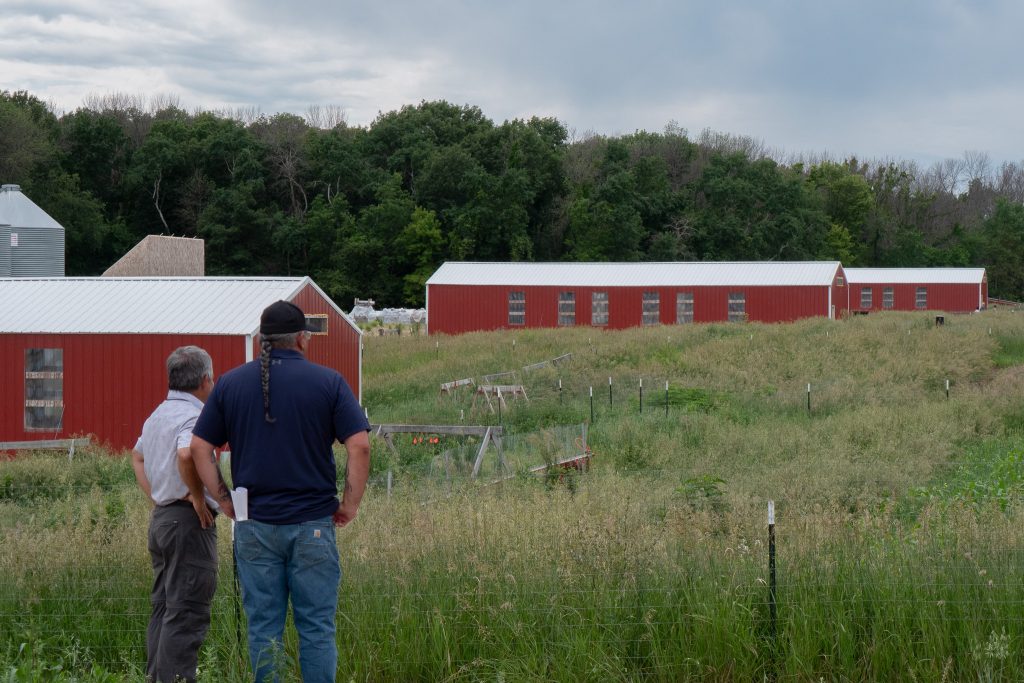
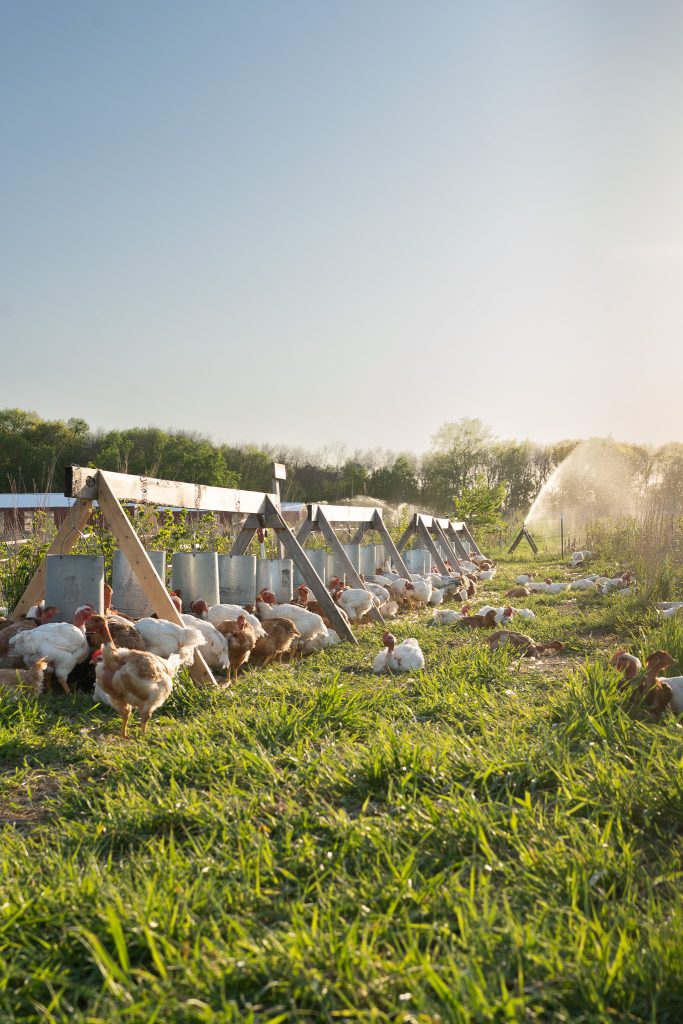

After a few days at the RFSI Forum in the city, plan to get out to a regenerative farm operation and supply chain operator and learn from those building a regenerative food system. The Regen Farm & Food Systems Tour is an optional add-on experience taking place 8:30 a.m. – 2:45 p.m. on October 9, the day after the RFSI Forum ends.
Salvatierra Farms
Salvatierra Farms is a 63-acre regenerative poultry farm. Of those 63 acres, 26 are mature woodlands with trees over 60 years old. In recent years, thousands of hazelnut trees have been planted to support the farm’s long-term goal of reforesting the land and integrating native perennials into its regenerative production system. Salvatierra serves as the primary research and development farm within a broader national network known as the Poultry-Centered Regenerative Agroforestry (PCRA) ecosystem. Chickens raised on the farm are marketed under the Tree-Range® Chicken brand—a farmer-led label that provides economic viability and market identity for producers across the system.
Lorentz Meats
Lorentz Meats is a full-service, niche meat packing company in Cannon Falls, Minnesota, specializing in natural, organic and grass-fed meat processing. Now in their fifth decade, they have grown in their capabilities to serve national niche meat brands, while maintaining their commitment to serve local farmers who bring in just one animal.
<PITCH>
Pitch Session
Agriculture & Health: Solving Global Health Challenges with Agricultural and Food Interventions
Each year, the RFSI Forum – along with our partner The First Thirty – host a pitch session for early-stage start-ups who are working to enable regenerative outcomes for planetary and human health and wellness. This year, we will put particular emphasis on highlighting the deep connection between how we produce food and the health and nutrition of the broader food system.
Our current industrial agriculture systems can negatively impact human health and nutrition through multiple, interconnected pathways, including nutrient decline, pesticide and chemical exposure, ultra-processed, commodity-driven diets, and indirect health impacts from environmental degradation. Impacts range from nutrient depletion and chronic disease to chemical exposure and microbiome disruption, and are costly to both individuals and society as a whole.
Applications to Pitch are now closed. View the top ten semi-finalist companies, and the four finalists chosen to pitch at the RFSI Forum here!
< VENUE ANCHOR >
Venue & Accommodations
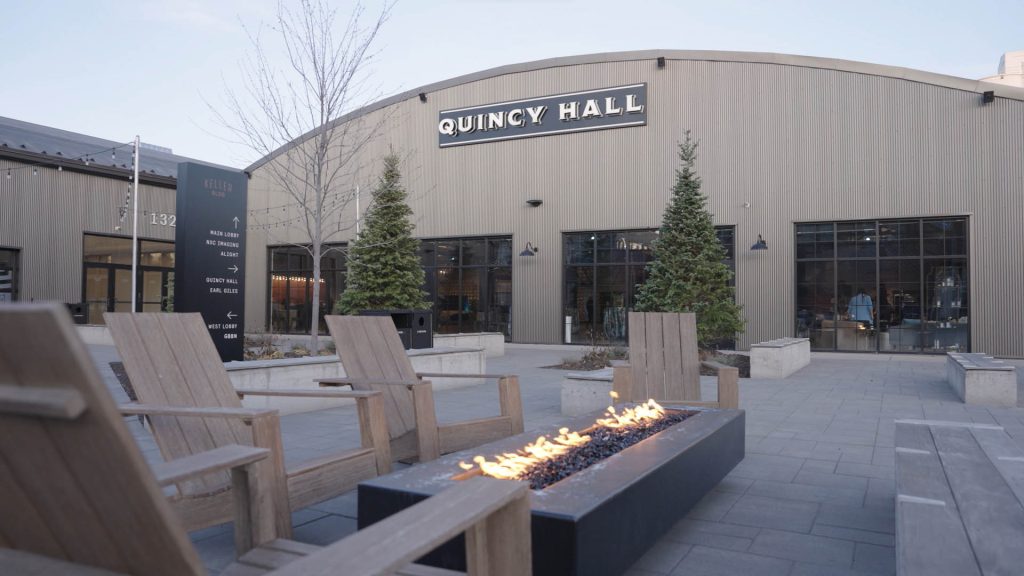
RFSI Forum Venue: Quincy Hall
1325 Quincy St NE, Minneapolis, MN 55413
The 2025 RFSI Forum will be held at Quincy Hall in Minneapolis, Minnesota! Quincy Hall is located in the fast growing Northeast Minneapolis Arts District. This eclectic neighborhood boosts several restaurants, breweries, a kombucha fermentary, and more! In the early 20th century, this neighborhood favored food production and Quincy Hall was home to a food manufacturer and was situated next to a General Mills factory and the “grain way” train.

THE HOTEL ROOM BLOCK IS FULL!
Emery, Autograph Collection
Located in an elegant, historic bank building with lush plants, Emery is a relaxing home base nestled near restaurants, bars, and all that downtown Minneapolis has to offer. At the hotel, guests can enjoy locally roasted coffee and fresh pastries at Spyhouse— the local boutique coffee shop, or take in the flavors of Northern Italy at Giulia—— a restaurant in partnership with five-time James Beard Finalist Chef Steven Brown.
< SPONSOR ANCHOR >
Thank You To Our Sponsors
DIAMOND SPONSOR

Iroquois Valley Farms
Iroquois Valley® provides capital to organic, regenerative and transitioning farmers across the United States through long-term leases, flexible mortgages, and post-investment support. Structured as a real estate investment trust (REIT), a public benefit corp and a B Corp that is regulated by he SEC, we offer impact-driven individuals and institutions the opportunity to invest in transforming our agricultural system in partnership with land stewards. Since our founding in 2007, we have invested approximately $125M in organic agriculture. Our goal is to make organic, regenerative agriculture the norm, not the exception, benefitting the health of the soil for future generations.
Further informationDIAMOND SPONSOR

Propagate
Propagate helps farmland owners grow trees alongside their crops or livestock to make farming more profitable and sustainable. By integrating trees that produce fruits, nuts, or timber—an approach called agroforestry—farmers can create steady income while improving soil health, water quality, and biodiversity and reducing carbon emissions. Propagate makes this process simple with tools and support, including farm planning software, hands-on assistance, and access to financing. This helps farmers reduce risk and successfully integrate tree crops into their farming systems.
Since its founding in 2017, Propagate has worked with farms across the U.S., helping to plan agroforestry on over 55,000 acres. Through its regional hubs in New York and Kentucky, the company has planted more than 200,000 trees and manages over 2,400 commercial acres.
Further informationDIAMOND SPONSOR

Good Roots
Good Roots is a professional services firm building a better food system for people, animals, and the earth by empowering farmers and food entrepreneurs with strong foundations in finance, marketing, and management. They work with farmers, food brands, manufacturers, distributors, hubs, grocers, nonprofits, and more, from start-ups to multi-million dollar operations. With years of experience as farmers and food business owners, their team of service providers across the U.S. has already helped over 700 businesses strengthen the food system for current and future generations.
Further informationFARMER SCHOLARSHIP SPONSOR
The Nest
The Nest is a Belgian family office investing in more resilient food systems. “We envision them operating within the planetary boundaries of the Earth. We imagine a mostly circular system, based on respect for all living beings and the farmers and agricultural workers at its core. We see a world in which the true price of food is understood and accounts for the costs borne by society and the planet. In this system indigenous wisdom and technology are intertwined to produce food regeneratively that can serve as medicine and provide enough nourishment for all. And while the dominant system is difficult to overturn, we strongly believe that by creating choices where once there were none, nature based solutions will in the end prevail.”
Further informationRECEPTION SPONSOR
RSF Regenerative Social Finance
RSF’s mission is to change finance and finance change. By offering investment notes, donor advised funds, and loans, they mobilize money toward positive impact. Since 1984, they have innovated finance tools and invested in healthier food systems, cleaner climates, whole-child education, community impact, racial justice, and more. Learn more about RSF at rsfsocialfinance.org.
Further informationCOFFEE BREAK SPONSOR

TIFS (Transformational Investing in Food Systems)
TIFS is an impact ecosystem of investors, funders, and enterprises dedicated to unlocking capital for regenerative businesses. TIFS develops financial innovations and helps to build a market for a regenerative, equitable, and climate-resilient food future.
Further informationPITCH SESSION SPONSOR
The First Thirty
The First Thirty (TFT) is venture capital for the AgriHealth Evolution. We invest in technologies where agriculture meets human health to deliver health outcomes 100x more efficiently than traditional healthcare. By turning farms and food systems into the foundation of preventative health we capture value from one of society’s largest arbitrage opportunities.
Further informationGOLD SPONSOR

Mad Capital
Mad Capital provides tailor-fit private credit to mid-sized regenerative organic farmers in the US. They are working to bridge the transition financing gap by providing the longer-term capital it takes to transition a degraded farm to a beautiful, profitable, and regenerative farm.
Further informationGOLD SPONSOR

SLM Partners
SLM Partners is an asset manager that uses capital to scale up regenerative agriculture. They invest in farmland and partner with farmers across USA, Europe and Australia. A pioneer since 2009, they have >$750 million in assets under management.
Further informationGOLD SPONSOR

Schmidt Family Foundation
Established in 2006 by Eric and Wendy Schmidt, the Schmidt Family Foundation works to restore a balanced relationship between people and planet. Through grantmaking and investments, the foundation partners with communities around the world in working for renewable energy, resilient food systems, healthy oceans and the protection of human rights.
Further informationGOLD SPONSOR
Dirt Capital Partners
Dirt Capital invests in farmland together with best-in-class regenerative farmers and ranchers – helping grow their land base and profitability. We are “impact-first” with a focus on capital preservation while achieving outcomes in ecological stewardship, farmer equity, community benefits and field-building.
Further informationGOLD SPONSOR

Soil and Climate Initiative
The Soil & Climate Initiative (SCI) builds resilient, regenerative supply chains from farm to shelf. Their comprehensive suite of farm transition services de-risks regenerative agriculture investments via verified impact data and a proven, cost-effective model for farmer engagement.
Further informationFARMER SCHOLARSHIP SPONSOR

Builders Vision
Builders Vision is a team of investors and philanthropists accelerating tomorrow’s most promising solutions across food and agriculture, energy, and oceans.
Further informationBREAKFAST SPONSOR
ZEGO
ZEGO believes you have the right to know what’s in your food. We craft delicious US-grown allergen-friendly oat products. Scan the QR code on ZEGO’s packaging for tests of 500+ toxic residues like glyphosate and heavy metals.
Further informationCOLLECTIVE SPONSORS

Zero Foodprint + Healing Soils Foundation
1% Collective Regeneration Program: 1% from each Forum attendee registration will be used for the implementation of a regenerative agriculture project in Minnesota by Zero Foodprint, and will be matched by the Healing Soils Foundation. Learn more about Collective Regeneration.
BOOTCAMP SPONSOR

Food Finance Institute
Food Finance Institute (FFI) envisions a world where resilient food and farm businesses anchor vibrant communities and a thriving planet. We help food and farm businesses thrive at every stage through finance-forward training, coaching, and consulting.
Further informationBOOTCAMP SPONSOR

Outside Minds Creative
Outside Minds Creative is a brand & graphic design studio on a mission to bridge the gap between consumers and regenerative agriculture through thoughtful visual storytelling. Our mission is to elevate regenerative brands and connect them with their audience by providing original branding and strategic marketing collateral.
Further informationTABLE SPONSOR

GrownBy
GrownBy is the farmer-owned marketplace for local food. A tech-solution by farmers, for founders.
Further informationTABLE SPONSOR

Vanilla Bean Project
The Vanilla Bean Project is the world’s first Regenerative Organic Certified® vanilla company, and they shipped their first load of vanilla beans via sail freight to reduce carbon emissions in 2025. They manufacture premium vanilla extract and vanilla bean paste.
Further informationTABLE SPONSOR

The Midwest Center for Regenerative Agriculture at Powell Gardens
The Midwest Center for Regenerative Agriculture at Powell Gardens advances sustainable farming and ecological stewardship through community education, land restoration, and conservation partnerships, connecting people to prairie, woodland, and regional biodiversity while promoting resilient, regenerative landscapes.
Further informationBRONZE SPONSORS
Alder Point Capital • Grounded Capital • Trailhead Capital
<DONORS>


Become a Sponsor
Sponsors of the RFSI Forum are the companies and organizations leading the transition to regenerative agriculture and food systems. Sponsorship packages are tailor-made for diverse types of businesses and offer unique value, including:
- Increased visibility and thought-leadership among a unique investor and activator community
- Opportunity to showcase your expertise and services
- Promotion through media coverage before, during, and after event
- Branding throughout the event